Why Spam Calls Feel Worse Every Year
Quick Answer
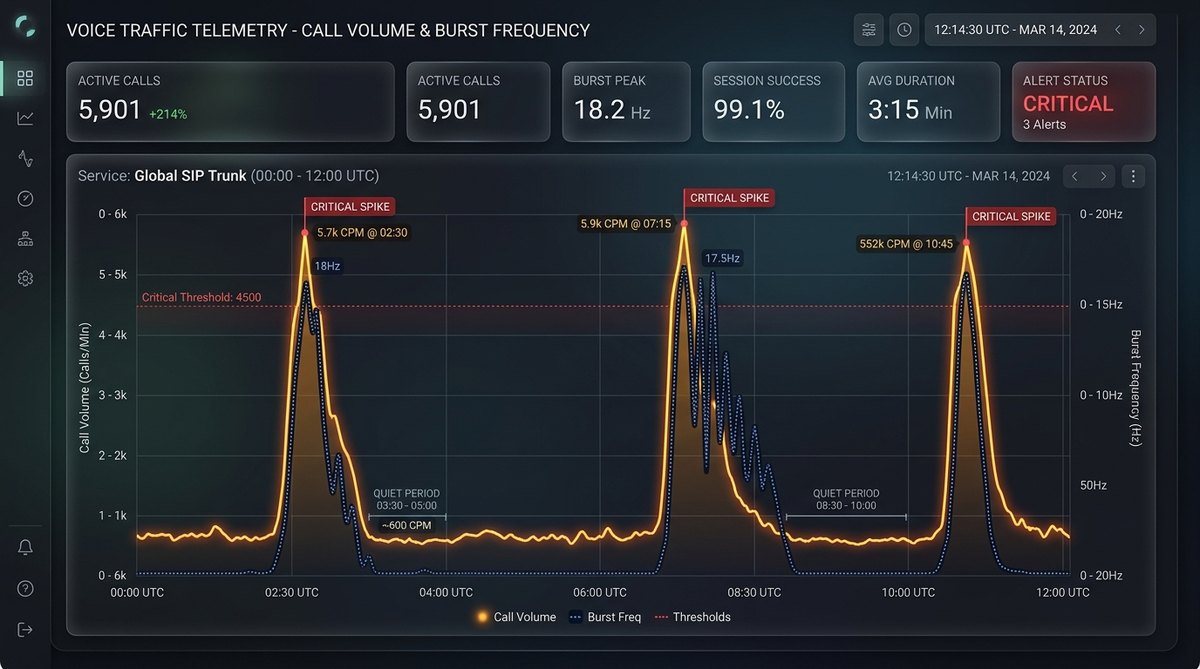
Spam calls escalate every year because modern Voice over IP (VoIP) infrastructure allows automated dialers to transmit millions of calls at near-zero marginal cost, while dynamic spoofing and AI voice bots bypass traditional carrier filters.
You registered your number on the National Do Not Call Registry years ago. You decline unknown callers. You never post your mobile number publicly, and you never click suspicious SMS links.
Yet your phone rings ten to fifteen times a day with spoofed local area codes.
It's easy to feel a deep sense of burnout and fatigue. You followed every security tip, yet the problem only seems to multiply year after year. But it isn't your fault: you are experiencing an industrial arms race where automated scam infrastructure has outpaced legacy telecommunications regulations.
The Industrial Escalation of Robocalling
According to federal regulatory filings and annual consumer complaint indices from the Federal Communications Commission (FCC) and Federal Trade Commission (FTC), illegal robocalls remain the single largest source of consumer complaints nationwide. Several structural factors drive this escalation:
First is near-zero marginal cost. In the landline era, physical infrastructure and carrier fees limited outbound dialing volume. Today, wholesale Voice over IP (VoIP) platforms let a single server transmit hundreds of thousands of automated calls per hour for fractions of a cent per call.
Second is gateway arbitrage. While the US TRACED Act mandated STIR/SHAKEN cryptographic authentication for domestic carriers, foreign call centers route traffic through intermediate gateway providers, entering the US telecom grid with degraded attestation. To see how dialers exploit local exchanges, read our guide on neighbor spoofing mechanics.
Third is conversational AI. Fraud rings no longer rely on clunky pre-recorded audio. Modern generative voice systems hold dynamic conversations that simulate human cadence and rebuttals. For broader context on volume trends, explore our report on 2026 robocall statistics.
Why 1990s Rules Can't Stop Modern Dialers
The consumer defenses most people rely on were built for a different century:
- The Do Not Call Registry (2003): Built to regulate legitimate corporate telemarketers. It has zero enforcement power against offshore criminal syndicates. Read our full analysis: does the National Do Not Call Registry work?
- Carrier 'Spam Likely' Labels: Carriers rely on crowdsourced user complaints that lag hours or days behind active dialing waves. By the time a number gets labeled, the dialer has moved to a new block.
- Static Dial Number Blocking: Blocking a spoofed number on your smartphone only blocks a number the scammer will never use again.
The Shift to Local Cryptographic Defense
Because the telecommunications network cannot stop bad traffic upstream, real protection has to happen at the destination: your smartphone hardware.
Callro's Gauntlet Engine processes incoming telephony metadata directly on your Android handset on your device. By reading the carrier's STIR/SHAKEN verification status as reported by Android and behavioral dialing signals before the ringer sounds, Callro blocks or silences flagged calls automatically.
Crucially, Callro does not request access to your contacts, your phone's call log, or your microphone. You regain control of your personal phone line with technology built for modern threats, not legacy rules.
Frequently Asked Questions
Why hasn't federal regulation eliminated robocalls?
While the FCC enforces STIR/SHAKEN protocols, offshore fraud syndicates exploit international gateway loopholes to route unauthenticated calls into the US network.
How cheap is it for robocall operations to dial millions of numbers?
Wholesale VoIP trunking rates allow automated dialers to originate hundreds of thousands of calls for fractions of a cent per attempt.
Why doesn't the National Do Not Call Registry work anymore?
The National Do Not Call Registry was designed in 2003 for legitimate corporate telemarketers. Criminal fraud syndicates and offshore operations deliberately ignore it.
What makes AI conversational bots harder to spot on the phone?
Modern conversational AI systems can simulate realistic breathing, pause naturally, and handle dynamic rebuttals, tricking listeners into believing a human is speaking.
What technology actually stops evolving spam calls on Android?
On-device call screening reads the carrier's STIR/SHAKEN verification status as reported by Android and evaluates routing heuristics directly on your smartphone, blocking unverified callers before your phone rings.
Key Takeaways
- Scammers use AI voice generation and personalized data broker dossiers to make calls more convincing.
- Neighbor spoofing makes incoming calls look like local businesses, schools, or doctors.
- High-speed VoIP infrastructure allows offshore dialers to place millions of calls at near-zero cost.
- On-device behavioral heuristics level the playing field by analyzing call metadata locally.
Protect Your Family Today
Install Callro and give your parents a phone that only rings for real people. 7-day free trial — no payment info required.