Why Do Spam Calls Come in Waves? Burst Patterns
Quick Answer
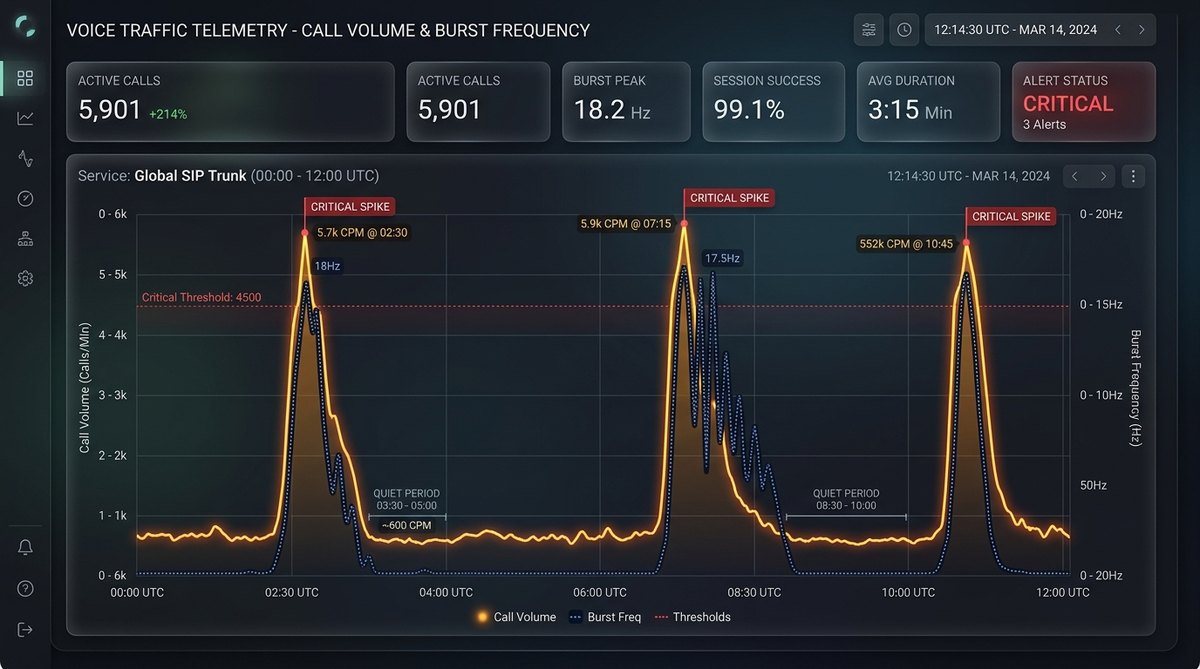
Spam calls occur in waves because autodialer operations purchase freshly leaked lead lists in batches, execute high-velocity dialing campaigns over several days, and then rotate to new lists and spoofed numbers once carriers flag the active batch.
Most consumers do not experience a constant, steady trickle of spam calls. Instead, robocall volume arrives in aggressive multi-day bursts followed by periods of relative silence. This wave pattern is driven by the underlying economics of telemarketing lead batching, carrier reputation filters, and SIP trunk rotations.
1. The Lead List Acquisition Cycle
Robocallers and telemarketing agencies rarely generate their own target numbers from scratch. Instead, they purchase consumer phone lists in batches from online lead brokers, affiliate marketing aggregators, and dark-web breach repositories.
When an autodialer operation purchases a fresh database of high-volume lead records, their automated dialers load the entire batch into high-velocity queues. Over several days, the dialer hammers the list simultaneously to maximize connection rates before the data ages. To understand how numbers circulate through these brokers, read about the mechanics behind high spam call volume.
2. Carrier Spam Flagging and Burn Rates
The primary constraint facing robocall operations is carrier spam reputation tracking. As detailed in FTC robocall guidance, phone companies and industry partners analyze calling patterns and release daily data feeds to identify and label illegal callers, prompting major mobile networks to update reputation filters on your device.
When an autodialer launches a campaign, carrier analytics identify the calling numbers within several days, labeling them as "Spam Likely" or "Fraud Alert." Once carrier filters tag these numbers, answer rates collapse. The robocall operation burns through the batch, abandons the flagged caller ID pool, and pauses dialing while provisioning new SIP trunks. For data on national carrier traffic patterns, review our robocall volume statistics across US carriers.
3. Automated Number Pool Rotation
During an active wave, automated dialers continuously rotate through localized spoofing patterns to maintain high answer rates. By deploying neighbor spoofing, the dialer cycles through multiple local numbers matching your area code within a single afternoon. To learn how spoofed caller IDs are generated during these bursts, explore how spoofed numbers rotate during campaigns.
How to Protect Your Line During High-Velocity Waves
Attempting to manually block each individual number during an active wave is futile because the autodialer will never call from the same spoofed number twice. The only effective defense during high-velocity bursts is automated on-device call screening:
- Instant verification: The on-device engine reads the carrier's STIR/SHAKEN verification status as reported by Android and evaluates number validity on your device.
- Call blocking: Callro blocks or silences the call, so your phone does not ring.
- Data protection: All filtering occurs on your hardware; Callro does not request access to your contacts, your phone's call log, or your microphone.
Frequently Asked Questions
Why did I suddenly receive 10 spam calls in one day?
A sudden spike in spam calls usually indicates that your phone number was included in a newly published corporate data breach or sold to a telemarketing lead broker who initiated a high-velocity campaign.
How long do spam call waves typically last?
Most autodialer campaign bursts last several days. Once telecom carrier analytics flag the campaign's spoofed number pool, the scammers pause and rotate to new target lists.
Why does spam call volume drop off after a few days?
Spammers pause dialing when their numbers are flagged or when they exhaust a purchased lead batch. During this quiet window, they acquire new number pools and fresh lead databases before launching the next wave.
Does blocking numbers stop spam call waves?
No. Manually blocking numbers fails because scammers rotate through constantly changing spoofed caller IDs during a single campaign wave.
Key Takeaways
- Spam waves occur when lead brokers distribute newly compiled contact lists to autodialer campaigns.
- Dialer pools blast target lists in concentrated bursts before rotating to new number ranges.
- Answering a wave call extends the campaign duration on your specific number.
- Filtering the initial burst on-device prevents subsequent campaign waves from reaching you.
Protect Your Family Today
Install Callro and give your parents a phone that only rings for real people. 7-day free trial — no payment info required.