Inside Outbound Call Centers: How High-Volume Autodialers and Robocall Networks Operate
Quick Answer
Outbound robocall operations use predictive dialers to blast thousands of numbers per second, transferring answered calls to overseas floor agents within milliseconds. These call centers purchase bulk lead lists from online sweepstakes and quote forms, recycling responsive numbers continuously.
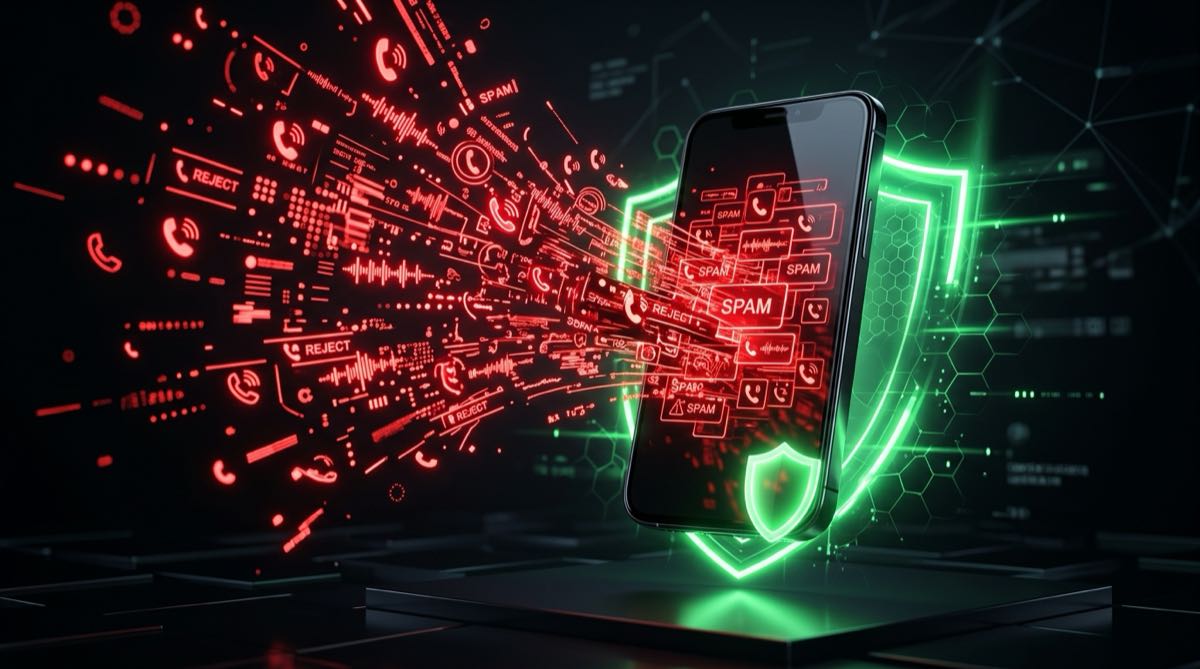
Spam callers aren't randomly dialing. They operate structured commercial facilities using predictive autodialers, aggregated lead lists, and Voice over IP (VoIP) software that dynamically spoofs local area codes. Understanding the internal mechanics of high-volume outbound dialers reveals why standard number blocklists fail to stop automated calling networks.
In a standard high-volume outbound call center, automated dialer consoles routinely display hundreds of concurrent active lines—each line dialing a different consumer's phone simultaneously. This industrial-scale telecommunications infrastructure is responsible for the persistent flood of unwanted voice calls across North America. While legitimate commercial telemarketers scrub calling lists (see whether the National Do Not Call Registry works), offshore autodialers intentionally bypass federal registration databases.
Traditional spam blockers attempt to defend against this machinery by demanding access to the user's private address book to build cloud-based caller databases. However, defending against high-velocity calling networks does not require surrendering contact lists to external servers.
What Is a Predictive Dialer — and Why Your Phone Never Stops Ringing
A predictive dialer works like a fishing net, not a fishing rod. It doesn't target you specifically. It casts wide and keeps whatever answers.
In commercial telemarketing environments, predictive dialers place multiple concurrent calls for every single available floor agent. The dialer software calculates statistical answer rates dynamically. It analyzes early audio to detect a human greeting; once voice activity is detected, the system bridges the connection to an active agent. If the call reaches voicemail, the system's Answering Machine Detection (AMD) algorithm immediately drops the line.
That "silent call" or sudden hang-up you get? That's not a prank. That's the dialer detecting you're not a live human and moving on to the next number. It's built for scale, and it never gets tired.
How Robocallers Get Your Phone Number
Your number is not specifically targeted. You're just a row in a massive database. Number lists are bought and sold constantly in the data broker market.
Sometimes it's from a leaked form you filled out online. Sometimes it's from public records. And sometimes, they don't buy lists at all — they just use sequential dialing. The software simply dials 555-0001, then 555-0002, and so on. If your phone is active, it rings.
What Is Neighbor Spoofing? (And Why It's So Effective)
Your phone rings. The caller ID shows your own area code and maybe even the same three-digit prefix as your own number. It looks like the pharmacy or a neighbor. That's neighbor spoofing.
With modern Voice over IP (VoIP) software, making the caller ID display a local number is trivially cheap and takes about two clicks. Scammers know you're more likely to answer a local number, so they dynamically match their outgoing caller ID to your area code. It's completely faked.
The FCC Truth in Caller ID Actstrictly prohibits this when there's an intent to defraud. But since many of these operations run from offshore boiler rooms, the law alone isn't enough to stop the calls.
Why STIR/SHAKEN Didn't Fix Everything
While STIR/SHAKEN was intended to restore trust to caller ID, the framework has notable operational gaps. Here is why spoofed robocalls persist.
STIR/SHAKENis a verification framework mandated by the FCC. Carriers assign an "attestation level" to calls to verify the caller's identity. But there's a massive loophole: many robocall operations route their calls through compliant gateway carriers.
The certificate verifies the carrier, not the caller's actual intent. So an illegal robocall can still get passed through the network, sometimes even with an A-level attestation, simply because it entered through a legitimate gateway. The infrastructure verifies the pipes, not the water flowing through them.
What Callro Does Differently (On-Device Architecture)
The outbound dialing ecosystem will continue operating until carrier networks eliminate spoofed telephony vectors. Until then, effective consumer protection requires intelligent filtering positioned directly between the handset and the incoming dialer.
Because autodialers continuously rotate caller ID numbers, static blocklists are ineffective. Callro's on-device behavioral analysis evaluates telephony signals beyond STIR/SHAKEN: it inspects call timing cadences, cross-references number reputation telemetry against the FTC's Consumer Sentinel databases, and intercepts suspicious traffic locally before the handset rings.
While no single software tool eliminates every unwanted connection, blocking or silencing flagged calls can reduce how often a predictive dialer reaches a live person. Callro does not request access to your contacts, your phone's call log, or your microphone.
Frequently Asked Questions
Do robocallers target seniors specifically?
Yes. Robocall operations often buy demographic-specific lists. According to the FTC's Consumer Sentinel Network data, seniors consistently report the highest median losses from fraud calls. The operation treats it as a numbers game, but the lists they purchase are absolutely targeted at demographics statistically more likely to answer and engage.
Can blocking your number stop spam callers?
Briefly. Number-blocking only helps against callers who reuse the exact same number. Most modern operations rotate their spoofed numbers constantly, burning through thousands of local numbers in a single day. Blocking a specific number stops that specific line, but it does nothing against the underlying dialer.
Is neighbor spoofing illegal?
Yes. The FCC's Truth in Caller ID Act prohibits caller ID spoofing with the intent to defraud, cause harm, or wrongfully obtain anything of value. However, because many operations run through international VoIP gateways outside U.S. jurisdiction, enforcing the law against the actual callers remains extremely difficult.
How does Callro know a call is spoofed?
Callro reads the carrier's STIR/SHAKEN verification status (Passed, Failed, or Unverified) as reported by Android, cross-references number reputation databases, and analyzes call timing patterns directly on your device. Callro stops flagged calls from ringing your phone.
Key Takeaways
- Predictive dialers initiate multiple calls simultaneously, connecting human agents only when a live answer is detected.
- Dead air or 2-second delays on answering occur while the autodialer algorithm bridges the call to an available agent.
- Saying 'Hello' or pressing buttons validates the line in the dialer database, escalating call volume.
- On-device SIT tone disconnects tell autodialers the circuit is dead, prompting automatic list removal.
Ready to stop the dialers?
Callro stops flagged calls from ringing your phone. Callro does not request access to your contacts, your phone's call log, or your microphone. Try it free for 7 days.