How to Know If Your Number Is Targeted by Spammers
Quick Answer
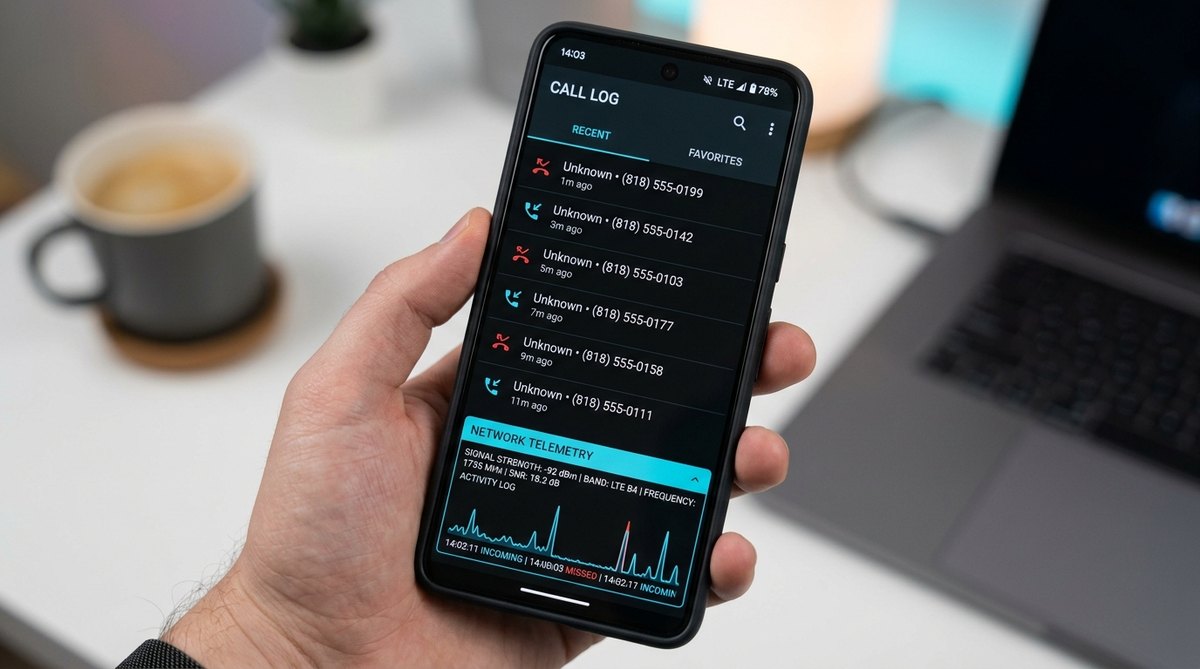
Key indicators that your phone number is on an active scammer target list include sudden spikes in silent calls, repeated one-ring 'Wangiri' calls, unauthorized multi-factor authentication text alerts, and multiple daily calls sharing your local area code.
When a phone number is added to an active telemarketing lead list or compromised in a commercial data breach, call patterns change noticeably. It can create a creeping sense of paranoia—wondering if someone singled out your phone number. The reality is that modern robocalling is industrial data aggregation operating at massive scale.
What Are the Top Warning Signs That Your Number Is Being Targeted?
Autodialer operations utilize automated probing techniques to test number validity before launching full-scale scam campaigns. Watch for these primary indicators:
Frequent Silent Calls (Predictive Dialer Pings)
If you answer a call and hear dead silence followed by a quick disconnect after a few seconds, your number was dialed by a predictive autodialer. The dialer placed calls to multiple numbers simultaneously; because all live operators were busy, the system dropped your call after confirming that a human answered. The software logged your line as "live."
One-Ring 'Wangiri' Calls
Originating from the Japanese term for "ring and cut," one-ring Wangiri calls ring once before disconnecting. The goal is to provoke curiosity, prompting you to call back an international toll number billed at premium per-minute rates.
Waves of Neighbor-Spoofed Calls
Receiving multiple calls daily that share your exact 3-digit area code and local 3-digit exchange indicates that an automated campaign is actively targeting your specific number block. To learn how scammers execute these localized sweeps, read about how scammers execute neighbor spoofing.
Unsolicited Multi-Factor Authentication Codes
Receiving unexpected SMS verification codes for banking, email, or social media accounts often indicates that scammers already possess your phone number and password from a data breach and are attempting to bypass account security.
How Do Phone Numbers End Up on Active Scam Lists?
Phone numbers do not appear on scam databases randomly. Modern autodialer databases are populated through several commercial pipelines:
- Corporate Data Breaches: Leaked customer databases from retailers, healthcare providers, and online services containing phone numbers and personal identities.
- Online Lead Capture Forms: Submitting a phone number to online quote forms, mortgage calculators, or contest giveaways frequently grants commercial data brokers broad resale consent. Job boards also frequently distribute resume contact details across secondary marketing networks, as detailed in our guide on protecting job seekers from spam calls.
- Sequential Number Generation: Computerized wardialers cycle through sequential 10-digit number blocks to discover active lines.
For a complete breakdown of data broker resale loops, see our analysis of why spam calls increase after data leaks.
How Can You Mitigate Targeting and Restore Quiet to Your Line?
Once a number is listed on active databases, changing numbers is rarely necessary because recycled lines often inherit existing spam histories. To break an active dialing cycle, your phone needs hardware-level screening.
Android's ROLE_CALL_SCREENING API allows security apps to inspect incoming telephony metadata before the ringer sounds. Call screening apps can read the carrier's STIR/SHAKEN verification status as reported by Android and block or silence flagged calls. To see how other consumers manage high-volume targeted lines, read real-world Callro ratings and user experiences.
Frequently Asked Questions
Why do I receive silent calls where no one speaks?
Silent calls are automated 'ping' sweeps run by predictive autodialers to verify whether your number answers. If you speak, the system logs an active line and routes future calls to live scammers.
What is a one-ring Wangiri scam call?
Wangiri is a scam where an automated dialer rings your phone once and disconnects, attempting to trick you into calling back an expensive international premium-rate number.
How did spammers get my private phone number?
Phone numbers are harvested through public data breaches, online sweepstakes forms, social media account leaks, and commercial data brokers who trade consumer contact lists.
What should you do if your number is actively targeted?
Do not answer unknown calls, never call back unrecognized numbers, and enable on-device call screening that drops unauthenticated calls before your phone rings.
Key Takeaways
- Sudden spikes in silent calls, repeated area codes, or repeated short-ring drops indicate targeting.
- Online quote requests, sweepstakes, and data breaches frequently expose numbers to lead brokers.
- Targeting escalates if calls are answered or if voicemails trigger automated responses.
- On-device filtering breaks target cycles by returning dead-line signals to dialer networks.
Protect Your Family Today
Install Callro and give your parents a phone that only rings for real people. 7-day free trial — no payment info required.