Does Carrier Spam Protection Work? Limits Explained
Quick Answer
Built-in carrier spam protection flags high-volume robocallers at the network level, but typically labels incoming calls as 'Spam Likely' instead of blocking them before your ringer sounds. It leaves the decision to the user, lags behind freshly rotated numbers, and gates automated blocking controls behind monthly subscription fees.
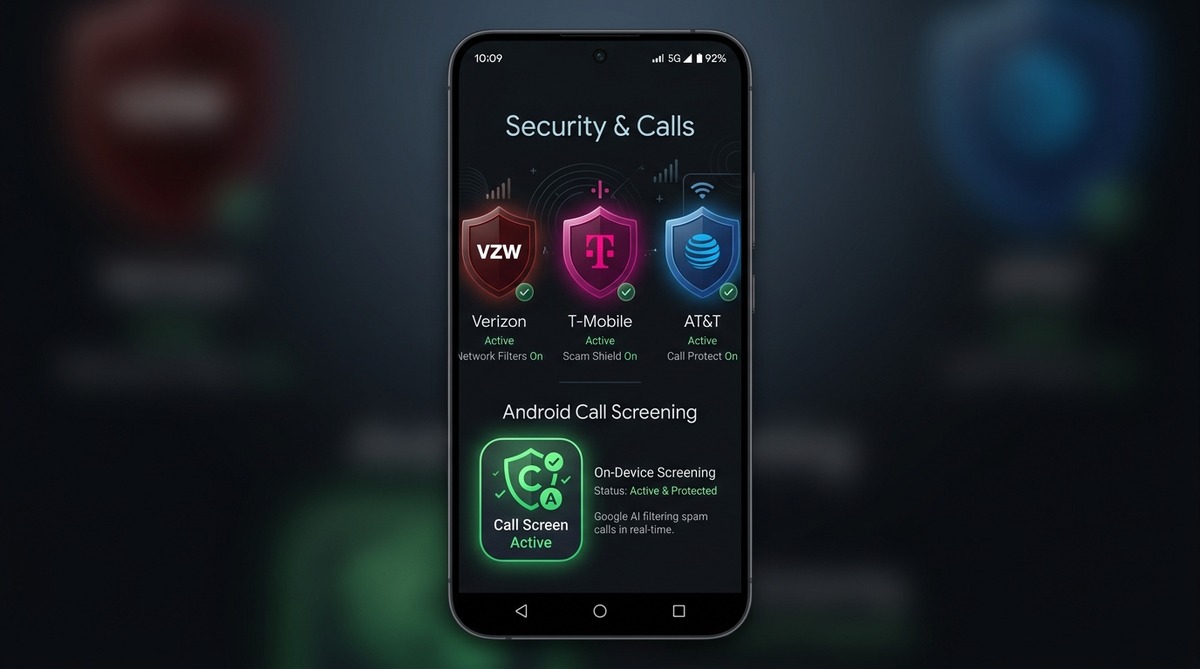
Major cellular carriers—including Verizon, T-Mobile, and AT&T—integrate automated spam protection into wireless subscriber accounts. While these network tools provide an initial layer of defense against high-volume robocallers, understanding their technical boundaries explains why unverified calls still ring smartphones every day.
How Carrier Network Spam Filters Operate
Carrier spam detection systems—such as Verizon Call Filter, T-Mobile Scam Shield, and AT&T ActiveArmor—analyze telephone traffic upstream as calls cross provider switching centers. Their algorithms evaluate key signals:
- Traffic Velocity: Numbers placing rapid bursts of calls across multiple regional cell towers trigger network-level spam tags.
- Carrier Verification Status: Networks evaluate STIR/SHAKEN digital certificates exchanged between originating and terminating service providers.
- Subscriber Report Volumes: Aggregated complaint trends from wireless customers feed centralized carrier reputation databases.
Why Robocalls Still Bypass Built-In Carrier Filters
Despite upstream investments by telecommunications carriers, structural limitations prevent network-level filters from stopping modern robocallers entirely:
- Warning Labels Instead of Call Dropping: By default, carrier filters apply visual caller ID tags (such as "Spam Likely" or "Potential Fraud") while allowing the phone to ring. The consumer must still interrupt their day to evaluate the caller. As the FTC notes in How to Block Unwanted Calls, "That's why your best defense against unwanted calls is call blocking and call labeling." Labeling alone leaves call answering decisions to the user.
- Reputation Lag on Rotated Numbers: Robocall syndicates lease fresh blocks of VoIP numbers and rotate 10-digit caller IDs rapidly. Until a newly provisioned number accumulates subscriber complaints, carrier algorithms treat it as an unflagged line.
- Subscription Paywalls for Advanced Tools: Carriers frequently lock automated category blocking, custom blocklists, and reverse lookups behind premium monthly add-on fees.
To understand how on-device heuristics overcome network lag, explore our guide to on-device screening capabilities.
Combining Network Filtering with On-Device Call Screening
Effective spam protection pairs upstream carrier defenses with local on-device screening on Android. On-device screeners use Android's native CallScreeningService API to inspect call metadata before your device alerts you.
While a screening app responds, Android holds the incoming call and does not ring it, for up to a short time limit set by Android. If the app does not respond in time, the call rings normally.
When an incoming call arrives on Android 10 and newer, Callro reads the carrier's STIR/SHAKEN verification status (Passed, Failed, or Unverified) as reported by Android.
The Limits of Legacy Vertical Service Codes
Some wireless users rely on legacy star codes such as *77 (Anonymous Call Rejection) or #662# (T-Mobile Scam Block). While these commands reject calls with hidden caller IDs, they cannot identify spoofed 10-digit numbers. For a full breakdown of their functionality, read our review of carrier star codes like *77.
Frequently Asked Questions
What is the difference between carrier spam protection and a call blocker app?
Carrier spam protection operates upstream on the cellular network and typically tags incoming calls with warning labels like 'Spam Likely'. Call blocker apps run directly on your smartphone, enabling automated pre-ring call blocking and customized filtering rules.
Why do carrier spam filters still allow scam calls to ring my phone?
Carriers rely on aggregate complaint thresholds and historical dialing volumes. When scammers rotate to freshly provisioned 10-digit numbers or use local neighbor spoofing, the carrier network has no historical complaints yet and allows the call through.
Are carrier spam blocker apps free?
Major US carriers provide basic spam warnings for free, but frequently charge additional monthly subscription fees for premium features such as custom category blocking, reverse number lookup, and automated personal blocklists.
Do built-in phone filters protect senior citizens from targeted scams?
Basic warning labels require the user to actively read the screen and decide whether to answer. For seniors or vulnerable individuals, audible rings from spoofed numbers can still cause confusion, making automated call blocking a more effective safeguard.
Key Takeaways
- Carrier network filters flag obvious high-volume robocalls but frequently leave the ringer sounding with warning tags.
- Scammers bypass carrier network reputation by continuously rotating through freshly provisioned VoIP number blocks.
- Advanced carrier call controls are often paywalled behind monthly subscription fees.
- Android's CallScreeningService allows on-device apps to block identified spam before the handset rings on-device.
Protect Your Family Today
Install Callro and give your parents a phone that only rings for real people. 7-day free trial — no payment info required.