'Energy Program' Calls: Scam or Real? How to Stop Them
Quick Answer
Energy assistance scam calls use deceptive pitches offering "guaranteed utility bill reductions" or "federal clean power subsidies" to lure consumers. Operating as seasonal lead-generation shells similar to ACA schemes, these dialers harvest electric bill account numbers, meter identifiers, and banking details before switching customers to unauthorized third-party suppliers or stealing account balances.
The Seasonal Utility Relief Shell
As summer heat waves drive air conditioning usage or winter cold snaps inflate heating bills, millions of households experience a sharp increase in unsolicited phone calls. The caller introduces themselves with official-sounding authority: "This is the Energy Assistance Center with an urgent update regarding your regional electric bill subsidy."
These calls operate on a lead-generation framework almost identical to deceptive ACA and Medicare benefit campaigns. They do not originate from your local municipal electric utility or state energy commission. Instead, they represent seasonal telemarketing shells designed to exploit rising household utility costs to harvest sensitive billing telemetry or execute unauthorized supplier switches.
The Core Objectives of Energy Telemarketing Scams
Behind the ambiguous promise of "energy relief grants" or "clean power rebates," energy assistance calling syndicates pursue three distinct commercial outcomes:
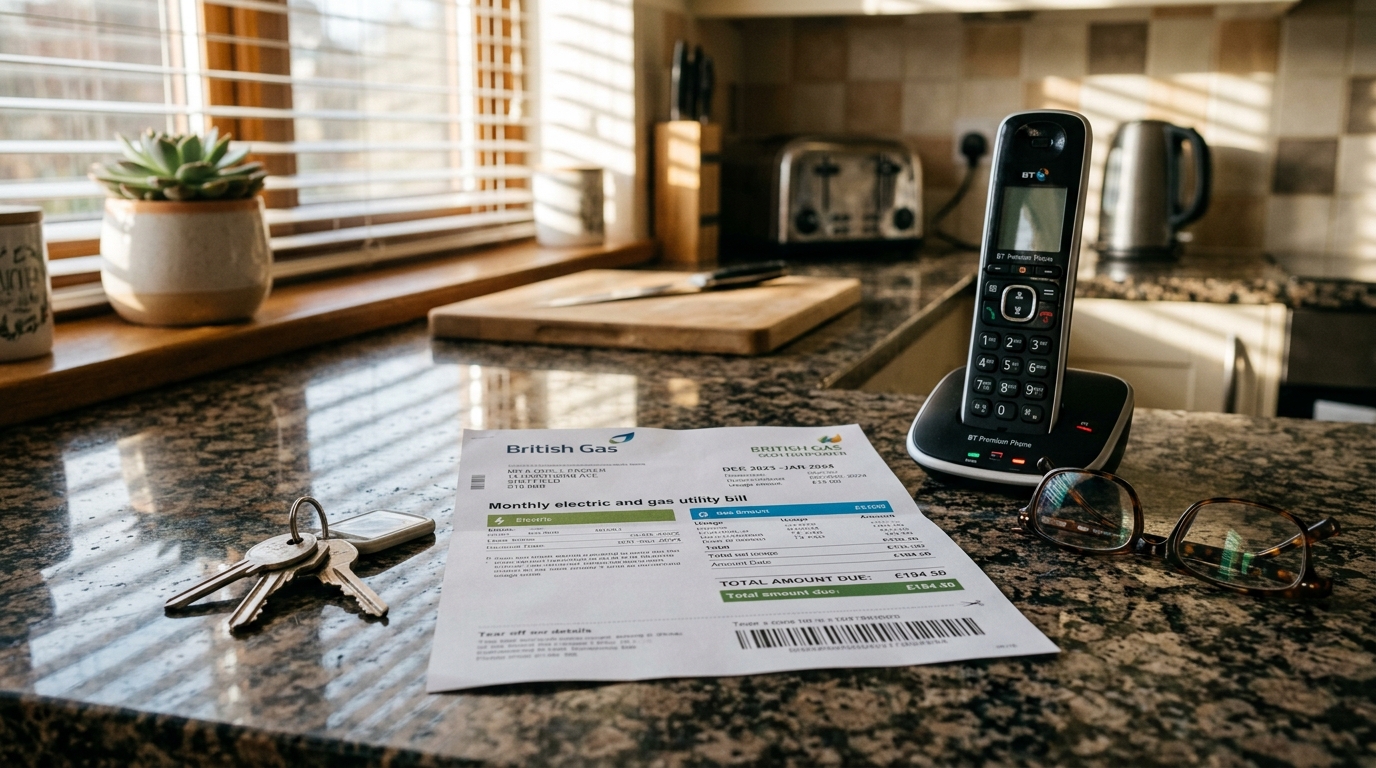
- Utility Account Slamming: In deregulated energy markets (including New York, Texas, Pennsylvania, Illinois, and Ohio), consumers have the right to choose third-party retail electricity suppliers. Deceptive telemarketers ask consumers to read aloud the account number or meter identifier from their latest electric bill to "check discount eligibility." Once the operator captures the account number, they submit an unauthorized supplier switch, locking the household into variable-rate contracts with aggressive price spikes.
- Demographic Lead Harvesting: The front-line dialer screens callers for homeownership status, roof orientation, and annual electricity spend, selling the qualified lead as a separate bounty to high-pressure rooftop solar sales networks.
- Immediate Payment Extortion: In direct utility imposter variations, the caller claims the consumer has past-due utility balances, threatening immediate power disconnection within 45 minutes unless payment is made over the phone via prepaid debit cards or peer-to-peer transfer.
Exploiting Government Programs: The Fake LIHEAP Pretense
To establish credibility, callers frequently misrepresent legitimate federal and state aid programs, specifically referencing the Low Income Home Energy Assistance Program (LIHEAP) or federal clean energy rebates.
According to consumer protection guidance from the Federal Trade Commission (FTC) on avoiding imposter scams, legitimate government-funded assistance programs follow strict structural protocols:
- No Cold Calling: Federal agencies and state LIHEAP administrative offices never cold-call households to offer automated energy grants.
- Local Application Process: Real energy assistance requires formal application submission through designated state community action agencies, with income verification documentation.
- No Upfront Fees: Legitimate assistance programs never charge processing fees or demand debit card numbers to disburse grant credits.
As explored in our guide to social security and federal benefits fraud, scammers consistently leverage real government agency names to disarm consumer vigilance.
How Spoofing Distorts Local Legitimacy
Energy assistance calls rely heavily on neighborhood spoofing. Because utility services are localized, scammers configure automated dialers to display local area codes and regional prefixes on caller ID displays. A resident in Orlando or Tampa is far more likely to answer an incoming call displaying a local central Florida area code than an out-of-state connection.
As detailed in our breakdown of neighbor spoofing mechanics, the phone number displayed on your screen provides zero cryptographic guarantee of the caller's actual geographic origin.
Stopping energy assistance telemarketing starts with screening calls before the phone rings. Callro's call screening engine evaluates each incoming call using signals such as the carrier's STIR/SHAKEN verification status (where Android provides it), and stops calls it flags as likely spam from ringing your phone.
Frequently Asked Questions
Why do utility and energy assistance scam calls spike during winter and summer?
Scammers align their campaigns with seasonal heating and cooling cost spikes. When electricity and gas bills reach annual highs, consumers are far more responsive to unsolicited offers promising government subsidies or utility bill reductions.
What is utility 'slamming'?
Utility slamming is the illegal practice of switching a consumer's electric or natural gas supplier without their explicit informed consent. Telemarketers harvest utility account numbers under the guise of an 'assistance eligibility check' and submit unauthorized provider switch requests.
Do real utility companies call customers to offer discounts over the phone?
No. Regulated electric and gas utilities do not place cold outbound calls offering special promotional discounts or demanding immediate phone payments to avoid instant power disconnection.
Key Takeaways
- Utility Relief Pretense: Callers impersonate state energy assistance programs (such as LIHEAP) or local power companies, offering non-existent utility subsidies.
- Utility Account Number Theft: The caller's objective is to extract the 10–12 digit utility account number or electricity meter identifier to slam contracts.
- Unauthorized Supplier Switching: Stolen utility numbers are used to switch consumers to aggressive third-party retail electric suppliers with variable rate spikes.
- Neighbor Spoofing Legitimacy: Telemarketers spoof local area codes matching the regional power utility to increase answer rates.
Protect Your Family Today
Install Callro and give your parents a phone that only rings for real people. 7-day free trial — no payment info required.