Credit Card Debt Settlement Call Scripts: Advance-Fee Traps
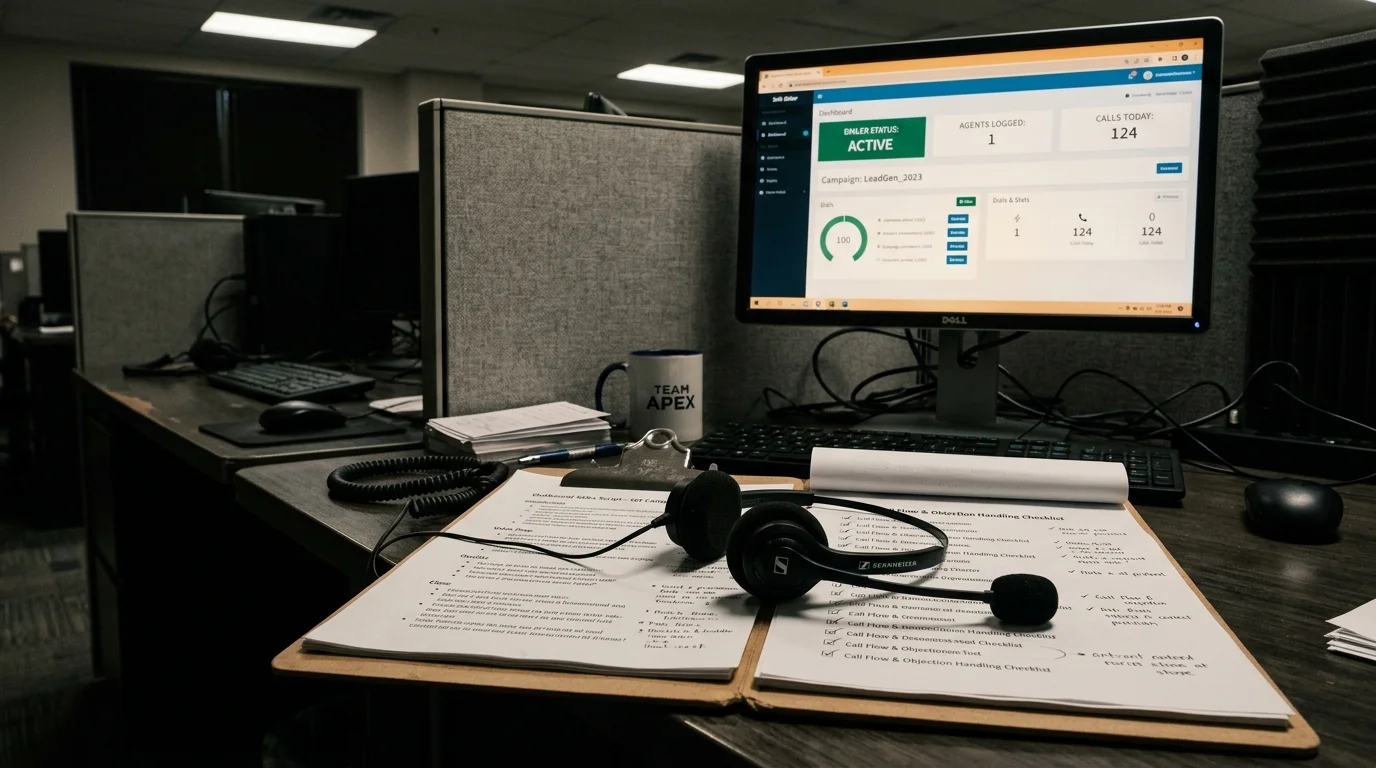
Quick Answer
Credit card debt relief call scripts use generic names like the "Card Services Division" to pitch dramatic balance reductions. Callers screen consumers for at least $10,000 in unsecured credit card debt, advise them to stop paying creditors into a dedicated escrow account, and attempt to charge advance fees in violation of the FTC Telemarketing Sales Rule.
The Opening Pitch: The Vague "Card Services" Hook
The phone rings from a number sharing your local area code. The caller, often an AI voice or soundboard operator, delivers a pitch that sounds like an internal banking notification:
Script Pattern Reconstruction
Representative example, reconstructed from common patterns across the reviewed scripts — not a verbatim transcript.“This is Rachel from Card Services calling regarding your credit card balances. Our system indicates you may be eligible to eliminate up to 50% of your current unsecured debt without taking out a new loan or declaring bankruptcy. To verify your account, are your total credit card balances currently over $10,000?”
This script is engineered to create curiosity while dodging corporate identity. "Card Services" is not a major credit card network or commercial bank. It is an offshore lead generation front.
Many of these operations utilize automated soundboard agents, an architecture detailed in our investigation of AI voice bots and soundboards in debt relief calls.
The Triage: Filtering for Large Unsecured Debt
Debt settlement companies cannot make significant money settling a $500 balance. Their fee structure typically takes 15% to 25% of the total enrolled debt. Therefore, the script is built around a financial qualification gauntlet:
- Unsecured Threshold: "Is your total credit card debt more than $10,000 across all cards?" If the consumer reports under $7,500, the script politely terminates: "You do not currently meet the debt restructuring threshold."
- Hardship Confirmation: "Are you currently experiencing financial hardship such as reduced income, medical expenses, or high interest rates?"
- Current Payment Status: "Are you currently making your minimum monthly payments on time?"
If the consumer qualifies, the script delivers its most dangerous instruction:
Script Pattern Reconstruction
Representative example, reconstructed from common patterns across the reviewed scripts — not a verbatim transcript.“To force your credit card companies to negotiate a principal reduction, you must stop sending payments directly to them. Instead, you will deposit a reduced monthly payment into a dedicated savings reserve account in your name. Once funds accumulate, our legal team will settle your balances for pennies on the dollar.”
Following this instruction destroys the consumer's credit score, triggers cascading late fees, and prompts aggressive collection outreach, which we address in our guide on how to block debt collector calls on Android under FDCPA rights.
The Federal Ban on Advance Fees
Charging upfront fees before any debt is settled is illegal under federal law. According to the Federal Trade Commission's official guidance on how to get out of debt:
📜 Federal Consumer Guidance Citation (Verbatim)
"A debt settlement company can’t collect its fees from you before they settle your debt."
— Federal Trade Commission (FTC)
This consumer protection is codified in the FTC's Telemarketing Sales Rule (16 CFR § 310.4(a)(5)(i)), which explicitly defines as an abusive telemarketing practice:
📜 Federal Regulatory Citation (Verbatim)
"Requesting or receiving payment of any fee or consideration for any debt relief service until and unless: (A) The seller or telemarketer has renegotiated, settled, reduced, or otherwise altered the terms of at least one debt pursuant to a settlement agreement, debt management plan, or other such valid contractual agreement executed by the customer..."
— 16 CFR § 310.4(a)(5)(i)
Unscrupulous telemarketers try to bypass this rule by relabeling illegal upfront fees as "administrative enrollment costs" or "legal retainers."
The magnitude of this telemarketing vertical is immense. According to the FTC’s National Do Not Call Registry Data Book FY 2023, debt reduction and debt relief calls generated 138,458 consumer complaints, making it the third most-reported robocall category nationwide.
These automated dialers frequently target consumers registered on suppression lists, underscoring the systemic issues analyzed in our study of whether the National Do Not Call Registry works.
Silencing Predatory Debt Robocalls On-Device
Predatory debt relief boiler rooms blast millions of recorded calls weekly, using AI voice soundboards to simulate human conversation. Callro stops these deceptive campaigns before they create financial panic. Operating locally on Android, Callro reads the carrier's STIR/SHAKEN attestation result on-device and layers behavioral scoring on top of it. Its 26-layer Gauntlet engine screens incoming telephony signaling for unauthenticated gateway transfers and automated cadence anomalies locally, dropping debt settlement robocalls before the phone rings without ever accessing your contacts or uploading call logs.
Key Takeaways
- No Generic "Card Services" Exists: Major credit card networks and commercial banks do not operate phone centers calling consumers to eliminate card balances.
- Upfront Fees for Debt Settlement Are Illegal: A telemarketer cannot legally collect fees until they have renegotiated at least one of your debts and you have approved the settlement.
- Stopping Payments Triggers Lawsuits: Halting monthly payments to credit card companies destroys your credit rating and invites creditor lawsuits.
- Consult Non-Profit Credit Counselors: If you need help managing credit card debt, seek assistance from accredited, non-profit credit counseling agencies rather than telemarketing lead brokers.
Frequently Asked Questions
Can debt relief telemarketers legally charge upfront fees before reducing my debt?
No. Under the FTC Telemarketing Sales Rule (16 CFR § 310.4(a)(5)), it is illegal for debt relief companies to charge or collect any fee before they have successfully settled, reduced, or altered at least one of your debts.
Why do credit card relief scripts screen for at least $10,000 in unsecured debt?
Debt settlement programs operate on percentage-based success fees. Consumers with less than $10,000 in credit card debt generate insufficient contingency revenue to justify the settlement company's operational overhead, so scripts disqualify lower balances.
Is 'Card Services' a real department of major card networks?
No. Major credit card payment networks and commercial banks do not operate a generic 'Card Services' phone center that cold calls cardholders. The name is a generic deception used by telemarketers to evade trademark enforcement.
Key Takeaways
- No Generic "Card Services" Exists: Major credit card networks and commercial banks do not operate phone centers calling consumers to eliminate card balances.
- Upfront Fees for Debt Settlement Are Illegal: A telemarketer cannot legally collect fees until they have renegotiated at least one of your debts and you have approved the settlement.
- Stopping Payments Triggers Lawsuits: Halting monthly payments to credit card companies destroys your credit rating and invites creditor lawsuits.
- Consult Non-Profit Credit Counselors: If you need help managing credit card debt, seek assistance from accredited, non-profit credit counseling agencies rather than telemarketing lead brokers.
Protect Your Family Today
Install Callro and give your parents a phone that only rings for real people. 7-day free trial — no payment info required.