Why Do I Keep Getting ACA Marketplace Calls? How to Stop
Quick Answer
You receive waves of ACA and marketplace health insurance calls because submitting your phone number on commercial quote comparison websites (.com,.org, or private lead-generation portals) grants multi-party telemarketing consent. Lead brokers package and sell your contact information on your device to dozens of third-party marketing organizations (TPMOs) and independent brokers, triggering automated dialing campaigns across affiliate networks.
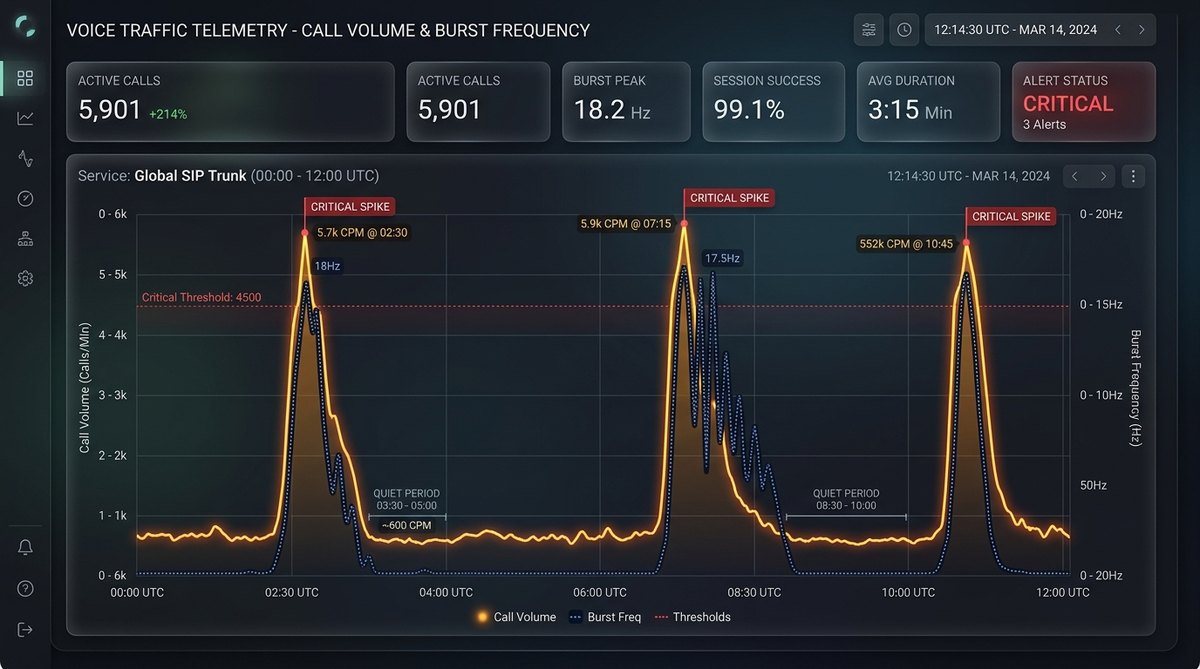
If you recently submitted your name, zip code, and phone number on a health insurance website to compare rates or explore plan options, you likely experienced an immediate surge of inbound phone calls. Within minutes of clicking "Get a Quote," your phone begins ringing repeatedly from unfamiliar numbers across multiple area codes. As soon as you hang up on one caller, another rings.
This persistent barrage is not a technical glitch or a random coincidence. It is the direct output of a high-speed digital lead generation and telemarketing distribution engine operating across the commercial health insurance marketplace.
The Form-Fill Trigger: How One Click Unleashes Dozens of Calls
The catalyst for marketplace call floods is almost always an online comparison form. When consumers search for health coverage, they frequently land on private lead generation portals. These pages are designed with clean, professional interfaces that encourage visitors to enter their contact details to view estimated premiums.
What is often obscured in the fine print is a broad telemarketing consent agreement. By clicking submit, the user agrees to receive automated calls, pre-recorded messages, and text messages from the website operator and its "marketing partners." Behind the scenes, the lead platform's API immediately bundles your name, phone number, and location into a digital lead record and auctions it on your device to dozens of third-party marketing organizations (TPMOs), call centers, and independent licensed brokers.
Because multiple buyers purchase the same lead simultaneously, every competing call center deploys automated predictive dialers to reach you first, causing your phone to ring continuously.
The Critical Distinction: HealthCare.gov vs. Commercial.Com Portals
A primary driver of consumer confusion is domain similarity. The Centers for Medicare & Medicaid Services (CMS) provides explicit regulatory guidance distinguishing the official government marketplace from private commercial portals:
- HealthCare.gov (Official Federal Exchange): The authentic government platform operated by CMS. As documented in official guidance on protecting yourself from Marketplace fraud, HealthCare.gov never sells user contact records, never shares phone numbers with commercial telemarketing brokerages, and never initiates unsolicited sales robocalls.
- Commercial Marketplace Websites (.com,.org, private brokers): Private commercial entities and web brokers. While licensed brokers and private enrollment platforms facilitate legitimate marketplace enrollments, commercial comparison sites monetize traffic by distributing contact details across vast networks of independent insurance agents.
Consumers who believe they are submitting information to the official federal exchange often find they have inadvertently authorized commercial telemarketers to contact them indefinitely.
The FTC Regulatory Framework on Lead Generation and Consent
The Federal Trade Commission (FTC) enforces rules regarding consumer consent under the Telemarketing Sales Rule (TSR, 16 C.F.R. Part 310). FTC enforcement actions and regulatory guidance have repeatedly addressed deceptive lead generation funnels, emphasizing that consent must not be obtained through misleading promises or hidden disclosures.
Despite regulatory scrutiny, commercial lead networks continue to utilize multi-party partner listings containing hundreds of prospective callers linked to a single submission button. To understand how call centers exploit these leads once connected, review the anatomy of an ACA and Medicare subsidy scam pitch.
Lead Arbitrage: Why the Calls Keep Coming for Weeks
The call flood does not end when the initial wave of dialers finishes. In the lead generation industry, consumer records are subjected to lead arbitrage and aging cycles:
- Tier 1 (High-Priority Leads, 0–24 Hours): Sold at premium rates to aggressive outbound boiler rooms attempting immediate contact.
- Tier 2 (Aged Leads, 2–14 Days): Repackaged and resold at lower cost to secondary brokerages and digital marketing agencies.
- Tier 3 (Bulk Dialing Lists, 30+ Days): Added to high-volume autodialer lists that blast campaigns during open enrollment periods.
Understanding these commercial mechanics explains why blocking individual numbers rarely solves the problem: lead brokers continuously sell your contact record to new agencies utilizing rotating caller ID pools. For deeper context on how scripts qualify consumers, read our breakdown of the 2-minute federal benefits call script, and review our guide to IRS and Social Security scam call scripts to recognize coercive government impersonation tactics.
How to Stop Marketplace Telemarketing on Android
To break the cycle of health insurance robocalls, apply these protective steps:
- State Explicit Opt-Outs: When speaking with a live representative, state clearly: "Place my number on your internal Do Not Call list and delete my record from your database." Under the TCPA, telemarketers must honor company-specific opt-out requests.
- Use Official Portals Exclusively: For authentic ACA enrollment, navigate directly to HealthCare.gov or your designated state exchange.
- Deploy On-Device Call Screening: Carrier spam tagging frequently fails to catch rotating autodialer numbers. Utilizing on-device call screening technology with Callro filters unauthenticated lead generation dialers via Android's native
ROLE_CALL_SCREENINGAPI before your phone rings.
Callro does not request access to your contacts, your phone's call log, or your microphone.
Frequently Asked Questions
Why did I start receiving dozens of health insurance calls after submitting one online form?
Commercial health insurance comparison websites include fine-print multi-party consent disclosures. When you submit your phone number, the website immediately distributes your information to multiple lead-generation brokers and insurance agencies, each placing automated calls to compete for your enrollment.
How does HealthCare.gov differ from commercial healthcare comparison websites?
HealthCare.gov is the official federal exchange operated by CMS and never sells or distributes your contact details to telemarketers. Commercial.com and.org websites are private businesses designed to capture consumer leads and sell them to third-party insurance brokers.
What does FTC guidance say about online lead generation and telemarketing consent?
FTC guidance establishes that telemarketing consent must be clear and conspicuous. However, many commercial lead generators use multi-partner checkouts and broad disclosure language to share consumer phone numbers across extensive networks of affiliate telemarketers.
How long do telemarketers keep calling after you request health insurance quotes?
Initial high-frequency calling typically lasts for 7 to 14 days. If calls go unanswered or unblocked, secondary lead brokers purchase aged lead records, leading to recurring waves of calls during open enrollment cycles.
How can you stop unwanted ACA and marketplace phone calls on Android?
Using an on-device call screening application like Callro filters incoming numbers using Android's native ROLE_CALL_SCREENING API, silencing automated lead-generation dialers before your phone rings.
Key Takeaways
- Commercial comparison sites with names similar to HealthCare.gov operate as private lead funnels, not official exchanges.
- CMS guidance explicitly differentiates the official federal exchange (HealthCare.gov) from third-party commercial marketing portals.
- Submitting a single online quote request typically triggers multi-party consent clauses, distributing your number to dozens of brokers.
- Lead arbitrage networks resell your contact record to secondary call centers, causing call volume to spike for weeks.
- Deploying on-device call screening filters high-velocity autodialer queues without exposing contact books to cloud databases.
Protect Your Family Today
Install Callro and give your parents a phone that only rings for real people. 7-day free trial — no payment info required.