Pig-Butchering Scam Calls: How Fraud Syndicates Lure Victims
Quick Answer
Pig-butchering (Sha Zhu Pan) is an industrialized financial fraud model where overseas criminal syndicates use wrong-number calls, SMS, and messaging apps to build personal rapport over weeks before directing victims to deposit funds into fabricated cryptocurrency trading platforms.
According to Federal Bureau of Investigation (FBI) Internet Crime Complaint Center (IC3) reports and Department of Justice (DOJ) indictments, pig-butchering investment fraud represents one of the fastest-growing and most financially devastating fraud categories in the United States, responsible for billions of dollars in annual losses.
Unlike automated robocalls that deliver high-pressure robo-pitches in under two minutes, pig-butchering schemes operate as sophisticated psychological long cons. Understanding how transnational fraud syndicates construct these grooming campaigns is critical for recognizing the pattern before financial commitments occur.
Phase 1: The 'Wrong Number' Cold Contact Hook
Pig-butchering campaigns frequently begin with an ostensibly harmless communication delivered to a private mobile number:
- An incoming phone call where the caller acts surprised that they reached the 'wrong person.'
- A polite SMS asking about a golf outing, real estate showing, or dinner reservation.
- A friendly follow-up message: "Sorry to bother you! You seem very kind, maybe fate wanted us to be friends."
When consumers respond or answer, call-center operators immediately validate the line. If you are experiencing repeated unsolicited dials, review our guide on why spam calls hang up when you answer to understand how automated dialers probe phone networks for active numbers.
Phase 2: The Grooming and Social Engineering Stage
Once initial dialogue is established, the scammer moves the conversation to encrypted platforms like WhatsApp or Telegram. Over days or weeks, the operative shares photos, discusses daily routines, and demonstrates apparent empathy. Crucially, the scammer never asks for money during this period.
Instead, they casually mention successful cryptocurrency or commodities trading directed by an 'expert uncle' or proprietary financial algorithm, sharing screenshots of substantial account growth to pique the victim's curiosity.
Phase 3: The Fabricated Trading Platform
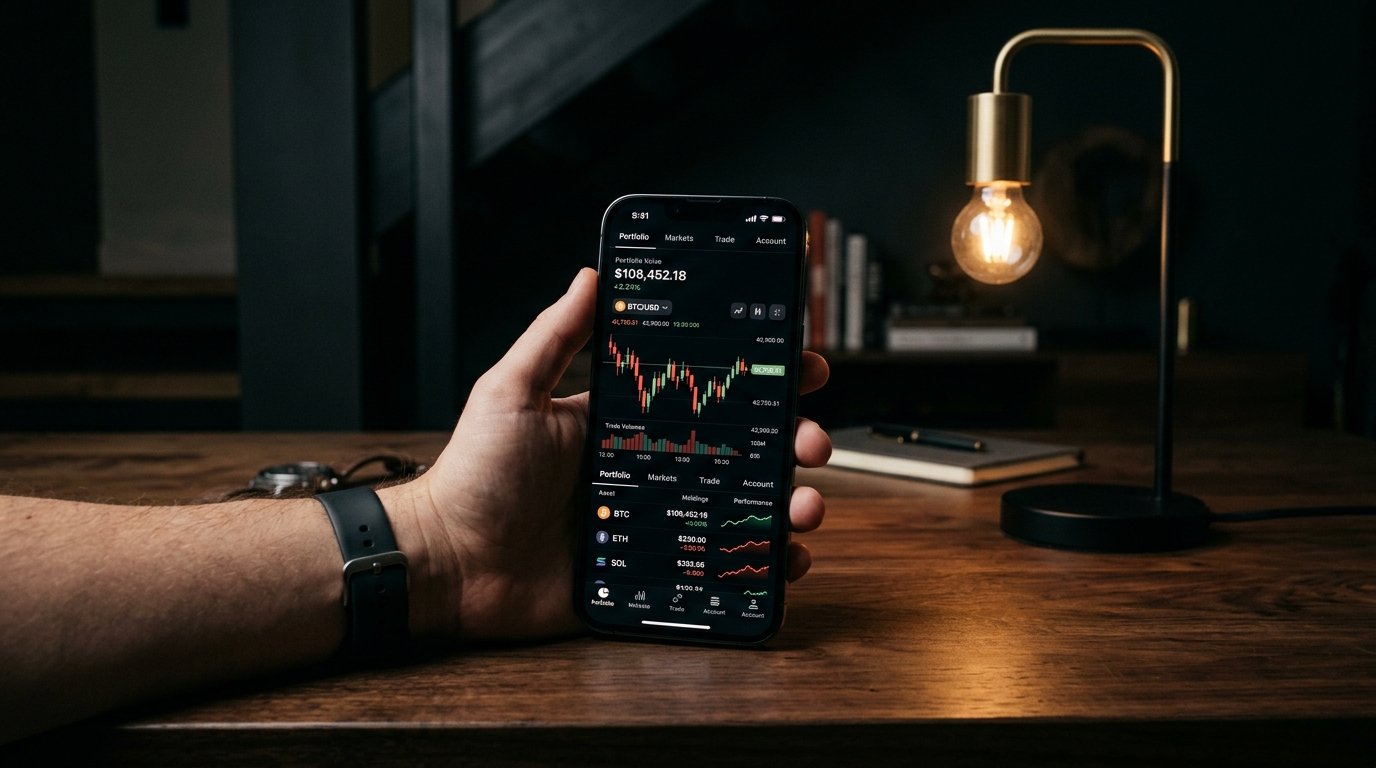
When the victim asks how to participate, the scammer guides them to download a custom mobile app or register on a professional-looking web portal. These domains are controlled entirely by the fraud syndicate, using counterfeit trading charts and manipulated market data to show instant gains.
To establish absolute trust, the platform permits the user to withdraw their initial investment plus profit ($200 to $500). Convinced the mechanism works, victims frequently transfer life savings, liquidate 401(k) accounts, or take out equity loans.
Phase 4: The Liquidity Freeze and Extortion
When the victim attempts a major withdrawal, the trap snaps shut:
- The platform freezes the account, claiming a "security audit" or "tax compliance threshold."
- Customer support demands an additional 20% to 30% upfront cash transfer to unlock funds.
- If paid, secondary "anti-money laundering fees" are invented until the victim realizes no money remains.
To learn how federal authorities regulate telecommunications gateways exploited by offshore call centers, explore our analysis of the FCC STIR/SHAKEN regulatory framework.
How to Protect Against Grooming and Cold-Call Fraud
Defending against romance and investment grooming requires technical boundary enforcement:
- Never Engage Unsolicited Wrong Numbers: Treat any unexpected misdialed call or text from an unknown number as potential reconnaissance. Never reply or engage in casual chat.
- Verify Investment Platforms Independently: Check any financial brokerage against the FINRA BrokerCheck and SEC databases before transferring assets.
- Deploy On-Device Call Screening: Stop predatory dialer operations before they establish contact. Deploying on-device call screening intercepts unauthenticated VoIP originations before your handset rings.
Callro does not request access to your contacts, your phone's call log, or your microphone. For the complete picture on how fraudsters use social engineering and OTP theft across banking schemes, see our core guide on bank impersonation scams and account takeover.
Frequently Asked Questions
What is a pig-butchering investment scam?
Pig butchering (originating from the Chinese term 'Sha Zhu Pan') refers to long-con financial fraud orchestrated by transnational criminal networks. The name describes 'fattening' a victim with fake intimacy, praise, and fabricated trading gains before stealing their entire deposit.
How do pig-butchering scammers make initial contact?
Per FBI IC3 alerts and Department of Justice indictments, operators initiate contact through misdialed phone calls, SMS ('wrong number' introductions), dating applications, or LinkedIn, quickly transitioning victims to encrypted messaging apps like WhatsApp or Telegram.
Can victims recover funds sent to fraudulent crypto platforms?
Once cryptocurrency transfers are confirmed on the blockchain, transactions cannot be reversed by banks or credit card issuers. While federal agencies occasionally seize illicit wallet clusters, individual fund recovery is extremely rare.
Why do fraudulent investment platforms let victims withdraw small amounts initially?
Allowing an initial $100 to $500 withdrawal is a deliberate psychological lever called 'proof of liquidity.' It convinces the victim that the counterfeit exchange is legitimate, encouraging them to transfer retirement savings or take out second mortgages.
Key Takeaways
- Fraud syndicates initiate contact via friendly 'wrong number' calls or text messages.
- Scammers spend weeks establishing emotional rapport before mentioning investment opportunities.
- Victims are directed to counterfeit trading apps showing fabricated profits.
- Initial small withdrawals are permitted to manufacture confidence before large deposits are stolen.
- Blocking unsolicited initial outreach calls prevents romance-investment grooming before it begins.
Protect Your Family Today
Install Callro and give your parents a phone that only rings for real people. 7-day free trial — no payment info required.