Why Scam Calls Follow Credit Card Applications
Quick Answer
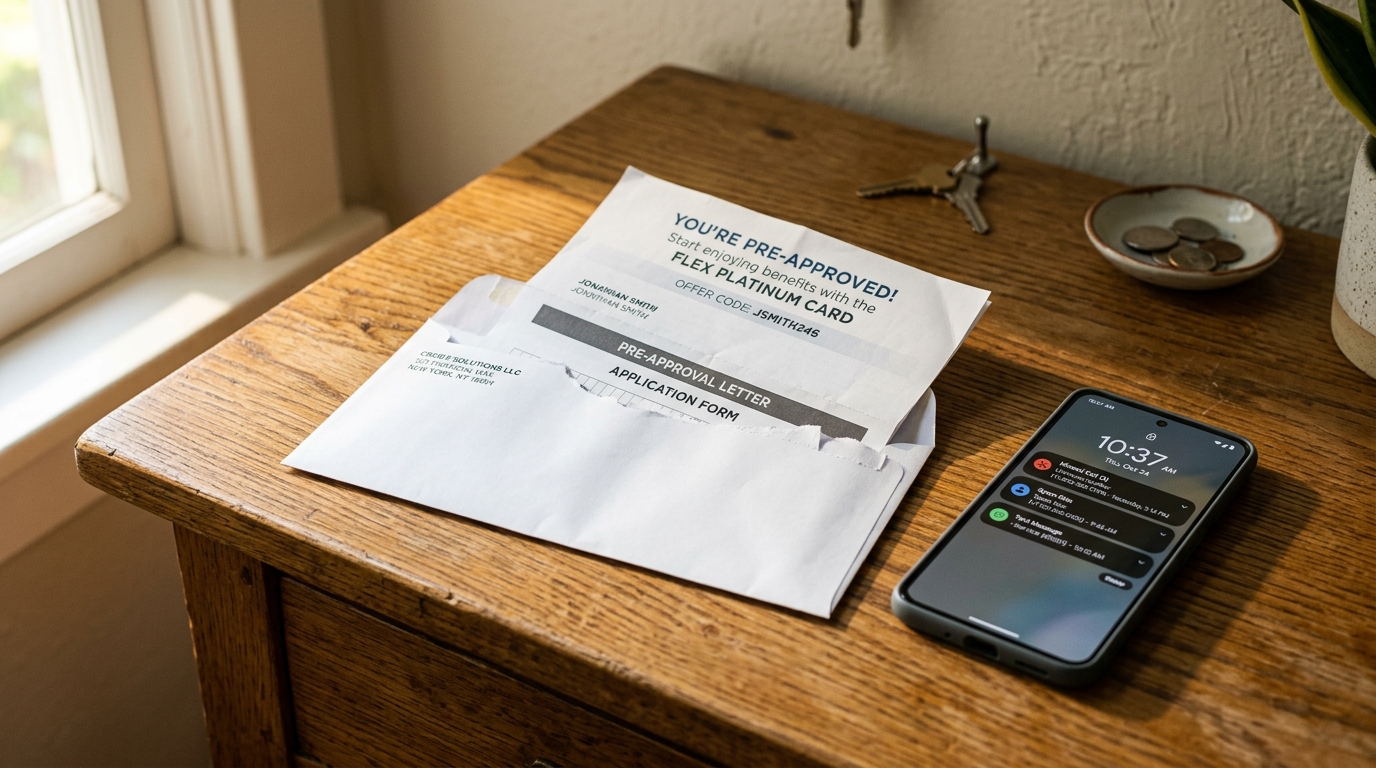
Receiving an influx of telemarketing calls within hours of applying for a credit card or loan is frequently tied to commercial credit reporting practices. Under the Fair Credit Reporting Act (FCRA), credit bureaus legally package "trigger leads"—on-device alerts indicating a consumer has initiated a credit inquiry—and sell them to brokers, competing lenders, and third-party marketers competing for the application.
The Uncanny Timing of the Post-Application Call
You submit an online application for a new rewards credit card, auto loan, or mortgage pre-approval. Within two hours—sometimes within minutes—your smartphone lights up with incoming calls from unknown numbers. Some callers claim to be evaluating your recent credit request; others pose as bank fraud investigators warning of an unauthorized inquiry; others pitch high-interest consolidation loans.
While timing coincidences certainly occur, in many cases this rapid surge is driven by a well-documented commercial credit reporting mechanism: your credit inquiry was packaged and sold as a trigger lead within seconds of submission.
How the Trigger Lead Supply Chain Works
Under the Fair Credit Reporting Act (FCRA 15 U.S.C. § 1681b(c)), nationwide consumer reporting agencies (Equifax, Experian, TransUnion) maintain automated monitoring systems that track credit file activity. When a financial institution submits a hard credit inquiry on your behalf, the bureau's systems generate an event record.
This event can be commercialized through automated data feeds:
- The Inquiry Trigger: The bureau notes that a consumer in a specific geographic area with a specific credit profile has applied for revolving credit or a mortgage.
- The Lead Distribution Feed: Competing lenders, lead generation brokers, and marketing networks subscribe to automated trigger data. Within seconds of the hard inquiry, the consumer's contact details and inquiry profile are distributed to commercial subscribers.
- The Automated Dialer Surge: Subscribing lead buyers upload the records to automated dialing platforms, initiating outbound phone calls to capture the consumer's business before the original application settles.
How Imposters Capitalize on Active Inquiries
While trigger leads were originally designed to foster competitive lending offers, the ecosystem can be exploited by aggressive telemarketers and deceptive callers who capitalize on the consumer's heightened state of financial activity:
- The Fake Bank Fraud Alert: Imposters purchase lead feeds to identify consumers with active credit inquiries, then spoof major financial institutions. They call claiming: "Our fraud department detected an unauthorized credit card application in your name today. Press 1 to verify your identity."
- The Application Fee Trap: Imposters claim to represent the bank where the application was submitted, demanding an upfront "processing fee" or "collateral verification deposit" via peer-to-peer transfer.
As explored in our analysis of why spam calls suddenly spike, participating in any major financial application temporarily places your contact data at the center of multi-channel marketing distribution.
How to Stop Trigger Lead Data Sharing
According to the FTC guide on prescreened credit and insurance offers: “Have you gotten offers for credit or insurance that say you’ve been prescreened or prequalified? Typically, you’ll get these offers because of information in your credit report.” Consumers have a federal statutory right to halt the sale of their credit inquiry data for unsolicited marketing purposes:
- OptOutPrescreen.com: The official consumer credit industry opt-out registry. Registering at OptOutPrescreen.com removes your profile from prescreened credit and trigger lead distribution for five years (or permanently via mail submission).
- National Do Not Call Registry: Registering your phone numbers at DoNotCall.gov prevents legitimate telemarketers from initiating cold sales calls based on trigger data.
While opting out stops legitimate credit bureau data distribution, it does not immediately halt unregulated offshore syndicates that operate outside federal compliance frameworks. As detailed in our guide on protecting contact list privacy, maintaining robust communication boundaries is essential.
Deploying Callro's on-device call blocker ensures that during sensitive financial transactions, unsolicited calls from aggressive marketing brokers and imposters are blocked locally before your phone rings.
Frequently Asked Questions
Why do I receive spam calls immediately after applying for a credit card or loan?
When a lender pulls your credit report, major credit bureaus (Equifax, Experian, TransUnion) register a 'hard inquiry.' Under federal law, bureaus are permitted to create and sell 'trigger leads'—instant data notifications alerting competing lenders and marketing brokers that you are actively shopping for credit.
Are trigger leads legal under federal consumer privacy laws?
Yes. Under the Fair Credit Reporting Act (15 U.S.C. § 1681b(c)), credit reporting agencies are legally permitted to sell prescreened consumer lists and trigger inquiry data to third parties that offer a 'firm offer of credit or insurance,' though this data pipeline is frequently abused by aggressive affiliate telemarketers.
How can consumers stop credit bureaus from selling their inquiry data?
Consumers can opt out of prescreened credit and insurance offers permanently by visiting OptOutPrescreen.com or calling 1-888-5-OPT-OUT. This removes your name and inquiry data from the trigger lead lists distributed by the major credit reporting agencies.
Key Takeaways
- The Trigger Lead Pipeline: When consumers apply for credit or mortgages, credit reporting agencies generate "trigger leads" sold to third-party telemarketers within hours.
- Imposters Exploit Real Inquiries: Scammers buy trigger lead data or mirror lender outreach, pretending to represent the institution where you just applied.
- Pre-Approval Loan Bait: Unsolicited callers claim your recent application was declined or requires a secondary processing fee to approve.
- Opt-Out Defense: Consumers can register at OptOutPrescreen.com to block credit bureaus from selling their credit inquiry trigger data.
Protect Your Family Today
Install Callro and give your parents a phone that only rings for real people. 7-day free trial — no payment info required.