The 6-Month Trust Play: Subscription Scams
Quick Answer
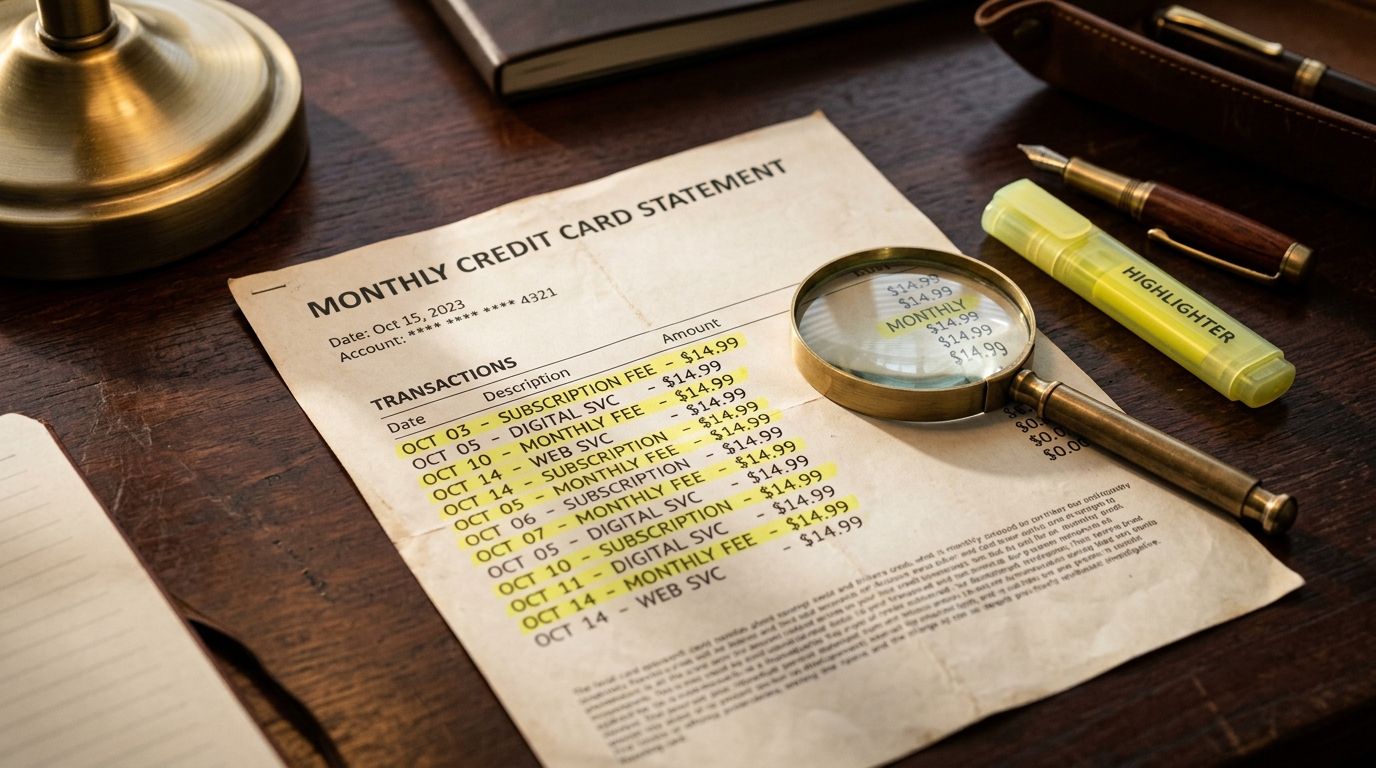
The 6-month trust play is a long-cycle billing scam where operators enroll consumers in nominal, seemingly harmless recurring subscriptions for generic digital utilities or protection plans. After months of predictable low-dollar charges establish a record of clean billing and lower customer vigilance, the operation executes unauthorized rebills or inflated fees, banking on delayed consumer dispute cycles.
The Mechanics of Patient Fraud
Most consumers expect financial scams to be immediate, aggressive extractions: a sudden demand for a thousands-dollar wire transfer or an urgent request for payment cards. However, certain deceptive subscription operations operate on a completely different timeline. They rely on patient, incremental billing.
In this pattern, an operation enrolls a consumer into a modest recurring monthly fee for a generic digital utility, technical support plan, or device protection package. For several months, the merchant bills the nominal charge predictably. The consumer may fail to notice the small recurring debit on their statement, or assume it represents a legitimate service authorized in the past.
This quiet period is a calculated strategy designed to build a synthetic record of transactional history and reduce consumer scrutiny.
Defeating Merchant Account Risk Controls
Payment processors and card networks (Visa, Mastercard, American Express) monitor merchant chargeback ratios aggressively. Under standard card network dispute monitoring programs (such as the Visa Dispute Monitoring Program and Mastercard Excessive Chargeback Program), accounts exceeding risk thresholds face heavy fines, reserve holds, and processing revocation.
Long-cycle subscription billing schemes navigate these risk controls through deliberate pacing:
- Establishing a Baseline: By billing accounts low-dollar amounts for 90 to 180 days, the merchant maintains a dispute ratio well below card-network chargeback monitoring thresholds.
- Establishing Recurring History: Bank fraud algorithms evaluate historical transaction patterns. A merchant that has billed an account consistently for several consecutive months is less likely to trigger automated fraud alerts on future charges.
- Lowering Consumer Vigilance: Small, consistent charges easily blend into modern banking statements cluttered with digital streaming and utility services.
The Extraction Phase: The Sudden Rebill Surge
Once the merchant entity has established a multi-month billing history across its customer records, the operation transitions to aggressive extraction. The recurring billing terms change abruptly:
- Inflated Service Tiers: The monthly fee is replaced with a sharply inflated renewal charge under the claim of an "automatic annual renewal" or "premium maintenance package."
- Lump-Sum Re-billing: The merchant attempts substantial charges claiming back-dated service terms.
- Entity Cycling: When chargebacks eventually accumulate, the syndicate liquidates the account balance and abandons the shell merchant name, shifting operations to a newly registered corporate identity.
When consumers dispute the elevated charges, the merchant often submits the prior months of undisputed billing statements to the issuing bank as supposed evidence of an established subscription relationship.
Negative Option Billing and Federal Scrutiny
The Federal Trade Commission (FTC) enforces strict rules governing "negative option" billing (16 CFR Part 425)—business practices where a consumer's silence or failure to reject an offer is treated as acceptance. Federal enforcement actions regularly target entities that use ambiguous phone scripts or hidden terms to lock consumers into recurring contracts without explicit informed consent.
As explored in our analysis of free versus paid privacy tools, obscure data-sharing agreements often serve as the origin point for these unauthorized billing enrollments. Furthermore, as detailed in our guide on why spam calls suddenly spike, participating in dubious trial offers exposes consumer phone numbers to broad lead-distribution networks.
Guarding against deceptive subscription pitches begins with blocking cold telemarketing contact entirely. Using Callro's on-device call blocker ensures that unverified telemarketing rings are silenced locally before deceptive verbal consent can be engineered.
Frequently Asked Questions
What is a long-cycle subscription scam?
A long-cycle subscription scam is an operation that enrolls consumers in small, regular recurring charges for a generic digital utility or warranty. By maintaining predictable low-dollar billing over several months, the merchant establishes an apparent record of legitimate billing before initiating substantial unauthorized charges.
Why do credit card companies fail to catch these unauthorized recurring charges initially?
Because the initial charges are modest and recur predictably every 30 days, automated bank fraud algorithms treat them as normal recurring subscriptions. By the time the consumer notices or the merchant increases the charge amount, months of clean transaction history already exist.
How do consumers inadvertently authorize the initial subscription?
Initial enrollment typically occurs through deceptive telemarketing pitches or fine-print web forms offering a 'free trial' or 'one-time registration' for a generic digital utility, where the ongoing negative-option billing terms are obscured.
Key Takeaways
- Long-Cycle Deception: Scammers initiate small, legitimate-looking monthly recurring micro-charges ($1.99–$4.99) over 4–6 months to establish a low-risk merchant history.
- Circumventing Anti-Fraud Rules: Maintaining zero chargebacks during the trust phase evades automated merchant processing risk flags and chargeback velocity monitors.
- The Extraction Surge: After the seasoning period, the entity bills large unauthorized charges ($199–$499) before abandoning the merchant account.
- Monthly Statement Audits: Regularly reviewing card statements for unrecognized small recurring charges prevents high-dollar extraction surges.
Protect Your Family Today
Install Callro and give your parents a phone that only rings for real people. 7-day free trial — no payment info required.